
Crafting the Perfect Sushi: An Art of Precision and Passion
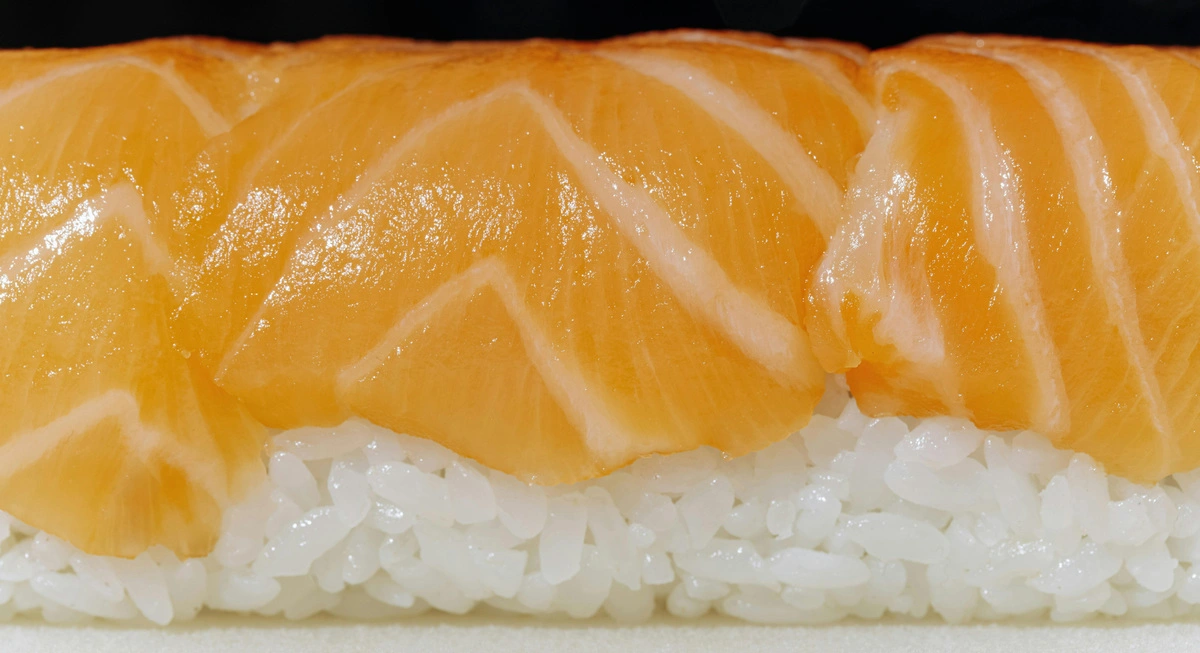
Sushi, a culinary masterpiece from Japan, is a testament to the artistry and dedication of its makers. Each piece of sushi is a harmonious blend of flavours, textures, and aesthetics, requiring meticulous preparation and a deep understanding of ingredients. Whether you're a novice or an experienced home cook, crafting the perfect sushi is an achievable and rewarding endeavour. Here’s a guide to help you embark on this delightful culinary journey.
Understanding the Essentials: Rice and Fish
At the heart of sushi is the rice, known as Shari. The perfect sushi rice is short-grain and slightly sticky, seasoned with a blend of rice vinegar, sugar, and salt. The quality and preparation of the rice can make or break your sushi. Rinse the rice thoroughly until the water runs clear to remove excess starch. After cooking, allow it to cool slightly before seasoning gently with the vinegar mixture—too much stirring can break the grains.
The fish, or Neta, is equally crucial. Freshness is paramount; sushi-grade fish should be of the highest quality, ideally sourced from a reputable fish market or supplier. Popular choices include tuna, salmon, and yellow tail, but don’t shy away from experimenting with eel, octopus, or even tofu for a vegetarian twist.
The Art of Slicing: Precision is Key
Slicing the fish correctly is an art form. Use a sharp, long knife (a Yanagiba is ideal) and cut the fish against the grain to ensure tenderness. Aim for uniform, thin slices that can drape elegantly over your rice. The size and thickness of your slices will vary depending on the type of sushi you're making, such as Nigiri or Sashimi.
Crafting Nigiri: The Quintessential Sushi
Nigiri sushi is a classic favorite, consisting of a small mound of rice topped with a slice of fish. Wet your hands slightly to prevent the rice from sticking, and shape a small amount into an oval. Place a dab of wasabi (if desired) on top of the rice, then gently press the fish slice onto it. The fish should slightly overlap the edges of the rice, creating an appealing presentation. Remember, less is more—let the quality of the ingredients shine.
Rolling Maki: Creativity Unleashed
Maki rolls are where you can get creative. Lay a sheet of Nori (seaweed) on a bamboo mat, shiny side down. Spread an even layer of rice over the Nori, leaving a small border at the top edge. Place your fillings—such as cucumber, avocado, and crab stick—in a horizontal line across the center. Use the bamboo mat to roll the Nori tightly, pressing gently to shape. Slice the roll with a sharp knife, wiping the blade with a damp cloth between cuts to maintain clean edges.
Plating and Presentation: A Feast for the Eyes
Presentation is a crucial aspect of sushi. Arrange your pieces thoughtfully on the plate, considering color and symmetry. Garnish with pickled ginger, a dollop of wasabi, and a small dish of soy sauce for dipping. A touch of micro greens or edible flowers can add a burst of color and elegance.
Perfecting Your Technique: Practice and Patience
Creating sushi is a skill that improves with practice. Don’t be discouraged if your first attempts aren’t perfect; even seasoned sushi chefs continue to hone their craft over years. Watch tutorial videos, take a sushi-making class, or learn from experienced chefs to refine your technique. Each attempt will bring you closer to mastering the art of sushi.
Sushi is best enjoyed fresh, so savor your creations immediately. Pair your sushi with a cup of green tea or a small glass of sake for a traditional touch. Whether you're sharing with friends or enjoying a quiet meal at home, the effort you’ve put into crafting each piece will undoubtedly enhance the experience.
Crafting the perfect sushi is more than just a cooking task; it's an expression of creativity, precision, and passion. With patience and practice, anyone can learn to create sushi that is not only delicious but also a visual delight. So, roll up your sleeves, gather your ingredients, and embark on this culinary adventure. Your taste buds—and your guests—will thank you.
No posts found
Write a review