
Travel and Hospitality: A Perfect Partnership
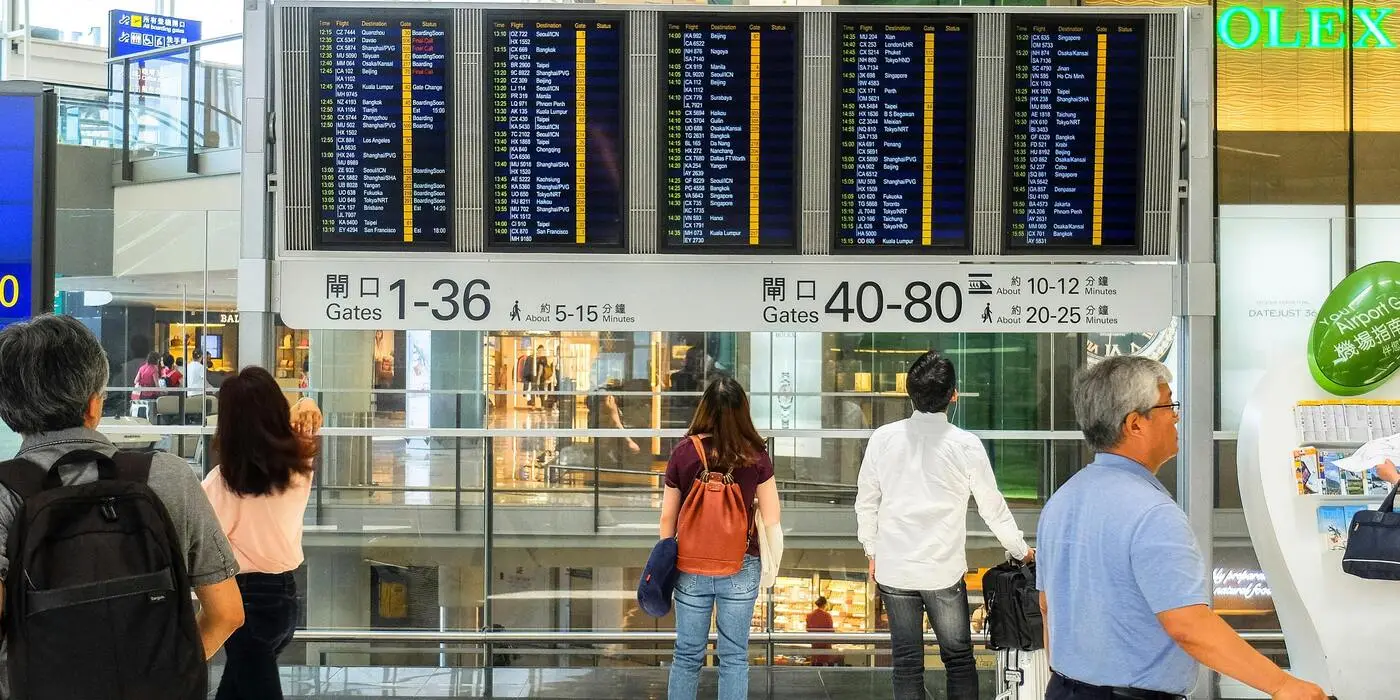
Travel and hospitality are intrinsically linked, each influencing the other in profound ways. As travel trends evolve, they shape the offerings and strategies within the hospitality industry, and vice versa. Let's delve into how these two sectors interconnect and drive each other's growth.
The Influence of Travel Trends on Hospitality
1. Rise of Sustainable Travel
As travelers become more environmentally conscious, there is a growing demand for sustainable travel options. This shift influences hospitality businesses to adopt eco-friendly practices. Hotels and resorts are incorporating energy-efficient technologies, reducing waste, and sourcing local, organic products to attract environmentally conscious guests. Sustainable tourism not only appeals to eco-aware travelers but also helps hospitality businesses reduce costs and boost their green credentials.
2. Demand for Personalised Experiences
Modern travelers seek unique and personalized experiences. This trend pushes the hospitality industry to go beyond standard offerings and cater to individual preferences. From personalized room settings and bespoke itineraries to unique dining experiences and customized wellness programs, hospitality businesses are leveraging data analytics and technology to create tailor-made experiences that delight guests.
3. Growth of Bleisure Travel
The blending of business and leisure travel, known as "bleisure," is a significant trend impacting the hospitality industry. Hotels and resorts are adapting to this trend by providing amenities and services that cater to both business and leisure needs. High-speed internet, flexible working spaces, and recreational activities are becoming standard features to accommodate bleisure travelers.
4. Popularity of Remote Work
The rise of remote work has led to an increase in "workations", where individuals work remotely from vacation destinations. This trend drives hospitality businesses to offer long-term stay packages, co-working spaces, and reliable internet connectivity. By providing an environment conducive to both work and relaxation, hospitality businesses can attract remote workers looking for a change of scenery.
The Influence of Hospitality on Travel Trends
1. Innovative Accommodations
The hospitality industry continually innovates to meet the evolving demands of travelers. Boutique hotels, themed accommodations, and unique lodging experiences like tree houses and underwater hotels are becoming popular. These innovative options influence travel trends by attracting niche markets and adventurous travelers seeking out-of-the-ordinary stays.
2. Culinary Tourism
Gastronomy plays a significant role in travel decisions. The hospitality industry capitalizes on this by offering exceptional dining experiences, local cuisine, and culinary tours. The rise of food festivals, cooking classes, and farm-to-table dining experiences has turned culinary tourism into a major travel trend, with food enthusiasts planning trips around gastronomic experiences.
3. Wellness Tourism
With a growing focus on health and well-being, wellness tourism is on the rise. The hospitality industry supports this trend by offering wellness retreats, spa services, and holistic health programs. Travelers are increasingly seeking destinations that provide opportunities for relaxation, fitness, and overall well-being, influencing their travel choices.
4. Technology Integration
Technology is revolutionizing the hospitality industry, enhancing the guest experience and shaping travel trends. Mobile check-ins, smart rooms, and virtual reality tours are just a few examples of how technology is integrated into hospitality services. This tech-savvy approach attracts modern travelers who value convenience and innovation, further influencing travel trends.
Travel and hospitality share a symbiotic relationship, continually influencing each other. As travel trends evolve, they shape the offerings and strategies within the hospitality industry, driving businesses to innovate and adapt. Conversely, the innovations and unique experiences offered by the hospitality industry influence travel choices and trends. By understanding and embracing these interconnections, both sectors can thrive, providing exceptional experiences for travelers and guests alike.
No posts found
Write a review