
Commercial Refrigerators, Buying Guide
16.04.2024
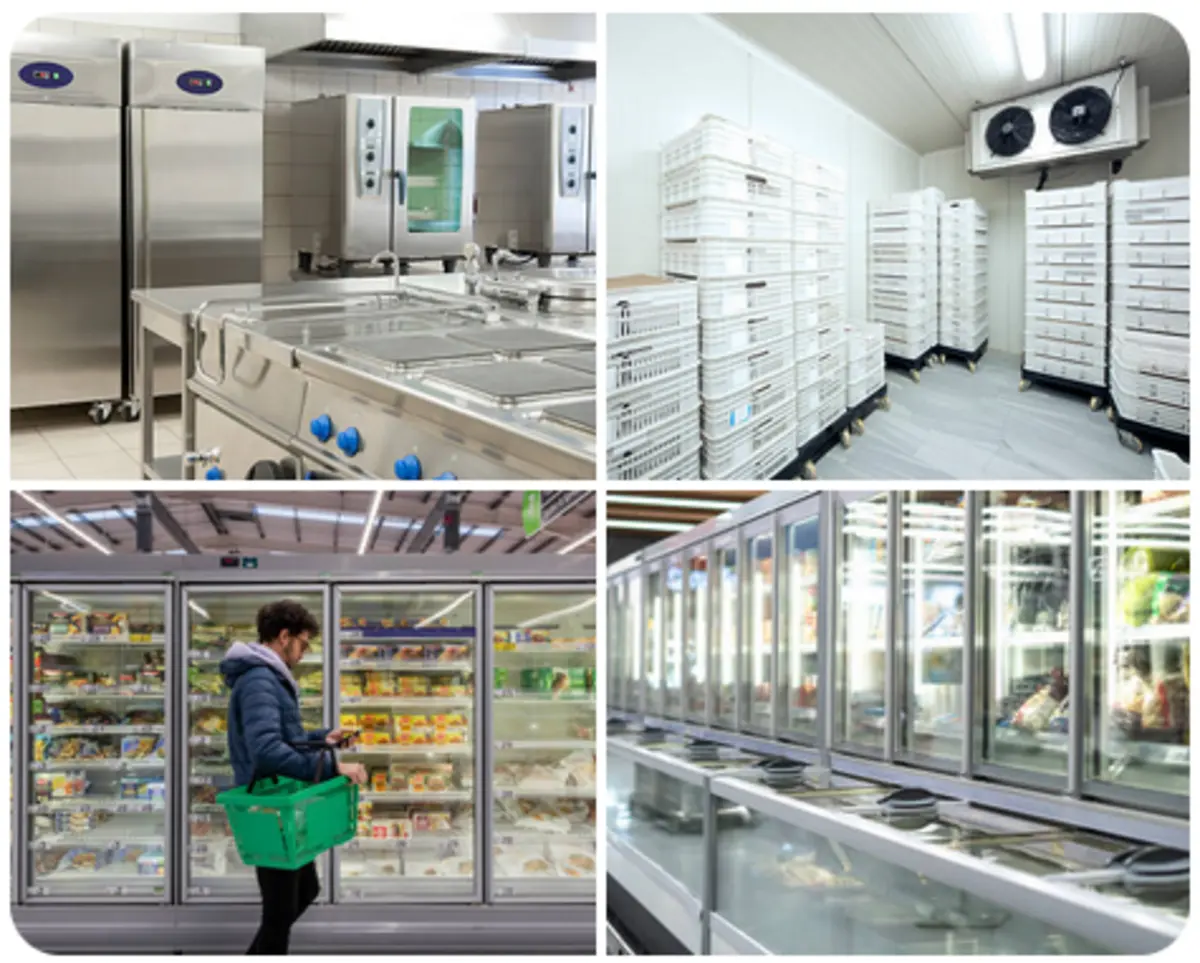
Commercial refrigerators are essential for businesses in the foodservice industry, providing efficient cooling and storage for perishable items. Choosing the right commercial fridge involves considering several factors to meet your specific operational needs:
1. Types of Commercial Refrigerators:
- Reach-In Refrigerators: Tall, upright units with full-height doors. Ideal for storing large quantities of food and beverages.
- Undercounter Refrigerators: Compact units designed to fit under countertops, offering easy access to frequently used items.
- Worktop Refrigerators: Similar to undercounter but with a work surface on top for food preparation.
- Bar Refrigerators: Specifically designed for storing beverages in bars and restaurants, often with glass doors for display.
- Walk-In Refrigerators: Cool rooms or freezer rooms for storing bulk items, suitable for high-capacity storage needs.
2. Size and Capacity:
- Measure the available space in your kitchen or storage area to determine the maximum dimensions.
- Consider the volume of food and beverages you need to store daily to choose the appropriate capacity (in cubic feet).
3. Cooling System:
- Compressor vs. No Compressor: Most commercial fridges use a compressor-based cooling system for efficient temperature control.
- Ventilation Requirements: Ensure adequate ventilation around the fridge to maintain optimal performance.
4. Temperature Control and Monitoring:
- Look for precise temperature control settings to meet food safety regulations.
- Consider models with digital temperature displays and alarms for temperature fluctuations.
5. Construction and Durability:
- Opt for stainless steel exteriors and interiors for durability, ease of cleaning, and resistance to corrosion.
- Check the quality of door seals to ensure proper insulation and energy efficiency.
6. Shelving and Organization:
- Adjustable shelves and compartments allow flexibility in storing different-sized items.
- Some models offer shelves that can accommodate gastronorm pans or trays.
7. Energy Efficiency:
- Choose Energy Star certified models to save on energy costs and reduce environmental impact.
- Check the energy consumption ratings and efficiency features.
8. Noise Level:
- Commercial fridges can be noisy due to their powerful cooling systems. Consider quieter models for customer-facing areas.
9. Maintenance and Serviceability:
- Ensure easy access for cleaning and maintenance tasks.
- Check the availability of service technicians and parts for repairs and servicing.
10. Brand Reputation and Warranty:
- Research reputable brands known for quality and reliability in commercial refrigeration.
- Review warranty terms, including coverage for parts and labor.
11. Regulatory Compliance:
- Ensure the refrigerator meets health and safety standards and regulations for commercial food storage.
- Consider NSF (National Sanitation Foundation) certification for food safety.
12. Budget:
- Set a budget based on your business needs and operational requirements.
- Consider long-term costs including energy consumption and maintenance.
13. Reviews and Recommendations:
- Read customer reviews and seek recommendations from industry peers to gauge performance and reliability.
14. Delivery and Installation:
- Coordinate delivery and installation with the supplier to ensure the fridge is set up properly and meets operational requirements.
15. Long-Term Considerations:
- Evaluate the expected lifespan of the refrigerator and potential resale value.
- Plan for future expansion or changes in operational needs when selecting the size and type of commercial fridge.
By carefully evaluating these factors and consulting with industry experts, you can select a commercial refrigerator that enhances efficiency, meets food safety standards, and supports your business operations effectively.
Comments
No posts found
Write a review